

Prix d'origine
$139.99
-
Prix d'origine
$139.99
Prix d'origine
$139.99
$139.99
-
$139.99
Prix actuel
$139.99
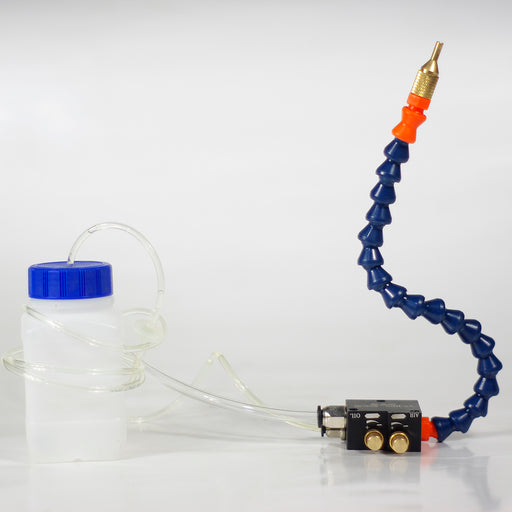
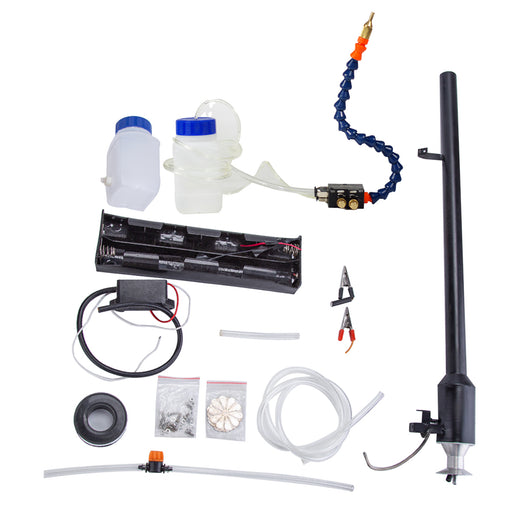
Moteur à réaction radiocommandé Skymech Pulse, modèle à combustion interne à essence à micro-valve avec pulvérisateur atomiseur (version RTR)
Moteur à réaction radiocommandé Skymech Pulse, modèle à combustion interne à essence à micro-valve avec pulvérisateur atomiseur (version RTR) C...
Afficher tous les détails
Prix d'origine
$139.99
-
Prix d'origine
$139.99
Prix d'origine
$139.99
$139.99
-
$139.99
Prix actuel
$139.99


Prix d'origine
$3,399.99
-
Prix d'origine
$3,399.99
Prix d'origine
$3,399.99
$3,399.99
-
$3,399.99
Prix actuel
$3,399.99
Moteur radial NGH GF150R5 150cc, cinq cylindres, quatre temps, moteur à essence refroidi par air, modèle pour avions RC à voilure fixe
Moteur radial 150 cc, cinq cylindres, quatre temps, moteur à essence refroidi par air, modèle pour avions RC à voilure fixe Ce moteur ne se rés...
Afficher tous les détails
Prix d'origine
$3,399.99
-
Prix d'origine
$3,399.99
Prix d'origine
$3,399.99
$3,399.99
-
$3,399.99
Prix actuel
$3,399.99


Prix d'origine
$459.99
-
Prix d'origine
$599.99
Prix d'origine
$459.99
-
$599.99
$459.99
-
$599.99
Prix actuel
$459.99
Moteur à essence bicylindre opposé horizontalement à deux temps EPHIL XG-40cc-T pour avions à voilure fixe
Moteur à essence bicylindre opposé horizontalement à deux temps EPHIL XG-40cc-T pour avions à voilure fixe Caractéristiques: L'EPHIL X-40cc-T ...
Afficher tous les détails
Prix d'origine
$459.99
-
Prix d'origine
$599.99
Prix d'origine
$459.99
-
$599.99
$459.99
-
$599.99
Prix actuel
$459.99


Prix d'origine
$752.99
-
Prix d'origine
$752.99
Prix d'origine
$752.99
$752.99
-
$752.99
Prix actuel
$752.99
Modèle de moteur à essence bicylindre opposé horizontalement 70 cc, deux temps, refroidi par air, avec démarreur électrique pour avions RC à voilure fixe
Moteur à essence NGH GTT70-E 70 cc, bicylindre opposé horizontalement, deux temps, refroidi par air, avec démarreur électrique, pour avions RC à v...
Afficher tous les détails
Prix d'origine
$752.99
-
Prix d'origine
$752.99
Prix d'origine
$752.99
$752.99
-
$752.99
Prix actuel
$752.99


Prix d'origine
$369.99
-
Prix d'origine
$496.99
Prix d'origine
$369.99
-
$496.99
$369.99
-
$496.99
Prix actuel
$369.99
Moteur à essence monocylindre à deux temps à échappement latéral EPHIL XG-38cc-R Pro avec bougie de préchauffage et démarreur électrique pour modèles d'avions à voilure fixe
Moteur à essence monocylindre à deux temps à échappement latéral EPHIL XG-38cc-R Pro à démarrage électrique pour modèles d'avions à voilure fixe C...
Afficher tous les détails
Prix d'origine
$369.99
-
Prix d'origine
$496.99
Prix d'origine
$369.99
-
$496.99
$369.99
-
$496.99
Prix actuel
$369.99


Prix d'origine
$380.99
-
Prix d'origine
$510.99
Prix d'origine
$380.99
-
$510.99
$380.99
-
$510.99
Prix actuel
$380.99
Moteur à essence monocylindre à deux temps à échappement latéral EPHIL X-38cc-S Pro avec démarreur électrique et bougie d'allumage pour modèles d'avions à voilure fixe
Moteur à essence monocylindre à deux temps à échappement latéral EPHIL X-38cc-S Pro avec démarreur électrique et bougie d'allumage pour modèles d'...
Afficher tous les détails
Prix d'origine
$380.99
-
Prix d'origine
$510.99
Prix d'origine
$380.99
-
$510.99
$380.99
-
$510.99
Prix actuel
$380.99


Prix d'origine
$1,440.99
-
Prix d'origine
$1,440.99
Prix d'origine
$1,440.99
$1,440.99
-
$1,440.99
Prix actuel
$1,440.99
Moteur essence NGH GF60i2-E 60 cc bicylindre en ligne quatre temps refroidi par air avec démarreur électrique pour avions RC à voilure fixe
Moteur essence NGH GF60i2-E 60 cc bicylindre en ligne quatre temps refroidi par air avec démarreur électrique pour avions RC à voilure fixe Caract...
Afficher tous les détails
Prix d'origine
$1,440.99
-
Prix d'origine
$1,440.99
Prix d'origine
$1,440.99
$1,440.99
-
$1,440.99
Prix actuel
$1,440.99


Prix d'origine
$521.99
-
Prix d'origine
$521.99
Prix d'origine
$521.99
$521.99
-
$521.99
Prix actuel
$521.99
Moteur à essence monocylindre à deux temps refroidi par air NGH GT65 65 cc pour avions RC à voilure fixe
Moteur à essence monocylindre à deux temps refroidi par air NGH GT65 65 cc pour avions RC à voilure fixe Caractéristiques: Conçu par les ingénieur...
Afficher tous les détails
Prix d'origine
$521.99
-
Prix d'origine
$521.99
Prix d'origine
$521.99
$521.99
-
$521.99
Prix actuel
$521.99


Prix d'origine
$255.99
-
Prix d'origine
$255.99
Prix d'origine
$255.99
$255.99
-
$255.99
Prix actuel
$255.99
Modèle de moteur à essence monocylindre à deux temps refroidi par air NGH GT17-Pro 17 cc pour avions RC à voilure fixe
Modèle de moteur à essence monocylindre à deux temps refroidi par air NGH GT17-Pro 17 cc pour avions RC à voilure fixe Caractéristiques: Fonctionn...
Afficher tous les détails
Prix d'origine
$255.99
-
Prix d'origine
$255.99
Prix d'origine
$255.99
$255.99
-
$255.99
Prix actuel
$255.99


Prix d'origine
$399.99
-
Prix d'origine
$399.99
Prix d'origine
$399.99
$399.99
-
$399.99
Prix actuel
$399.99
1/3 Scale DIY Horizontal Opposed 6-Cylinder Engine Kit with Operational Turbocharger - Electric Motorized STEM Educational Display Model
1/3 Scale DIY Horizontal Opposed 6-Cylinder Engine Kit with Operational Turbocharger - Electric Motorized STEM Educational Display Model Product I...
Afficher tous les détails
Prix d'origine
$399.99
-
Prix d'origine
$399.99
Prix d'origine
$399.99
$399.99
-
$399.99
Prix actuel
$399.99


Prix d'origine
$349.99
-
Prix d'origine
$349.99
Prix d'origine
$349.99
$349.99
-
$349.99
Prix actuel
$349.99
1/6 Scale C130 FDM 3D-Printed Variable-Pitch Turboprop Engine Model, STEM Educational Tool
1/6 Scale C130 FDM 3D-Printed Variable-Pitch Turboprop Engine Model, STEM Educational Tool Product Information: The 1:6 C-130 FMD 3D-Printed Variab...
Afficher tous les détails
Prix d'origine
$349.99
-
Prix d'origine
$349.99
Prix d'origine
$349.99
$349.99
-
$349.99
Prix actuel
$349.99


Prix d'origine
$79.99
-
Prix d'origine
$79.99
Prix d'origine
$79.99
$79.99
-
$79.99
Prix actuel
$79.99
ENJOMOR 3D Printed Radial Five-Cylinder Engine Model Kit that Works- Build Your Own Radial Engine
ENJOMOR 3D Printed Radial Five-Cylinder Engine Model Kit, Mechanical DIY Assembly STEM Aviation Engine Display with LED Light Effect, Creative Desk...
Afficher tous les détails
Prix d'origine
$79.99
-
Prix d'origine
$79.99
Prix d'origine
$79.99
$79.99
-
$79.99
Prix actuel
$79.99


Prix d'origine
$239.99
-
Prix d'origine
$239.99
Prix d'origine
$239.99
$239.99
-
$239.99
Prix actuel
$239.99
3D Printed TR900 Turbofan Engine Model that Works-Functional Rotating Aircraft Engine
3D Printed TR900 Turbofan Engine Model, 12V Powered Functional Rotating Aircraft Engine Display with Ice Blue Intake Light & Red Afterburner LE...
Afficher tous les détails
Prix d'origine
$239.99
-
Prix d'origine
$239.99
Prix d'origine
$239.99
$239.99
-
$239.99
Prix actuel
$239.99

 3D Printed Twin Turbo Jet Engine Desktop Fan with LED Light, Adjustable Speed Aviation Display Model
Prix d'origine
$118.99
-
Prix d'origine
$118.99
Prix d'origine
$118.99
$118.99
-
$118.99
Prix actuel
$118.99
3D Printed Twin Turbo Jet Engine Desktop Fan with LED Light, Adjustable Speed Aviation Display Model
3D Printed Twin Turbo Jet Engine Desktop Fan with LED Light, Adjustable Speed Aviation Display Model Features: Detailed Twin Turbofan Structure: B...
Afficher tous les détails
Prix d'origine
$118.99
-
Prix d'origine
$118.99
Prix d'origine
$118.99
$118.99
-
$118.99
Prix actuel
$118.99


Prix d'origine
$219.99
-
Prix d'origine
$219.99
Prix d'origine
$219.99
$219.99
-
$219.99
Prix actuel
$219.99
1/10 Scale Operational Turbofan Engine Model – Motorized Aircraft Turbo Engine
1/10 Scale Operational Turbofan Engine Model – Motorized Aircraft Turbo Engine with LED Tail Flame Light & Rotating Fan Display(Finished Model)...
Afficher tous les détails
Prix d'origine
$219.99
-
Prix d'origine
$219.99
Prix d'origine
$219.99
$219.99
-
$219.99
Prix actuel
$219.99